

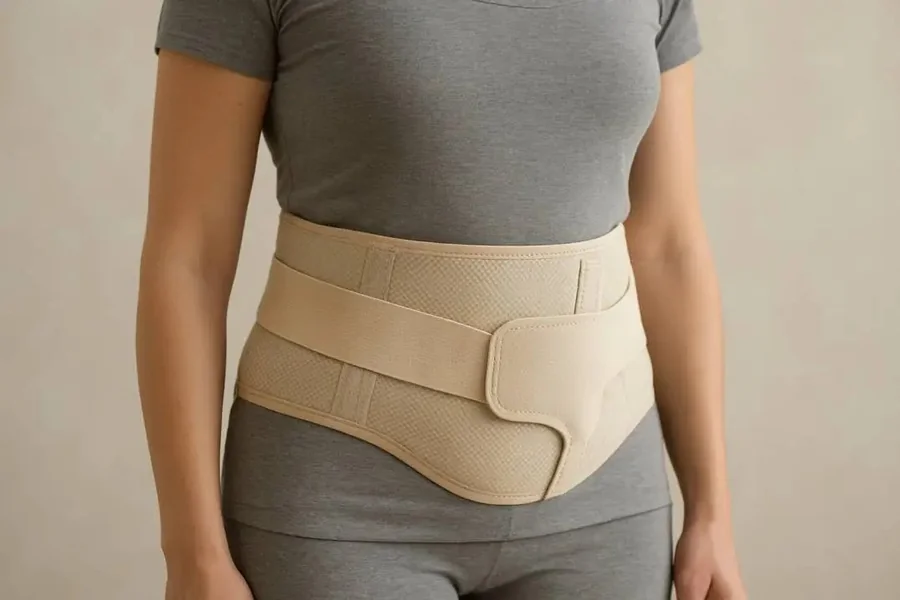
Abdominal Compression Therapy is a medically recommended method that uses structured clothing to put controlled pressure on the abdomen. People who have just had surgery, are recovering from childbirth, or are dealing with a hernia often wear these kinds of clothes, like an abdominal belt after childbirth, an abdominal hernia belt, or general abdominal support wraps. When done right and under medical supervision, abdominal compression can make you more comfortable, help you heal faster, and lower the risk of problems.
In this guide, we’ll talk about the main medical uses of abdominal compression therapy and how different types of abdominal support clothes can help with different health issues.
What Is Therapy for Abdominal Compression?
When you do abdominal compression therapy, you wear a special elastic or reinforced belt that gently squeezes the wall of your stomach. This controlled pressure helps:
- Make weak muscles stronger
- Lower swelling (edema)
- Make blood and lymph flow better
- Help with surgical cuts
- Make it less painful to move
Compression levels are usually measured in mmHg (millimeters of mercury), and for therapeutic use, it is best to wear medical-grade clothing.
Abdominal Belt After Delivery: Help for Recovery After Giving Birth
Postpartum care is one of the most common uses for abdominal compression therapy. After giving birth, many people suggest wearing an abdominal belt, whether the baby was born vaginally or by C-section.
Why It Helps After Having a Baby
The abdominal muscles stretch a lot during pregnancy, and many women get diastasis recti, which is when the abdominal muscles separate. The core stays weak after giving birth and needs time to get better.
After giving birth, an abdominal belt gives you:
- Gentle pressure to help weak muscles
- Stability for everyday activities like standing, sitting, and lifting
- Less swelling and holding onto water
- Support for cuts from C-sections
- Better posture while nursing
An abdominal belt can help and give you structure, but it shouldn’t replace core-strengthening exercises that doctors recommend.
Abdominal Hernia Belt: How to Deal with Hernia Symptoms
A hernia truss, also called an abdominal hernia belt, is made to put pressure on a hernia site in a specific way. When tissue inside the body pushes through a weak spot in the abdominal wall, a hernia happens. Some common types are:
- Hernia in the groin
- Hernia of the umbilicus
- Hernias that happen after surgery
How an abdominal hernia belt works
The belt puts strong, focused pressure on:
- Stop the hernia from sticking out
- Make the activity less uncomfortable
- Give temporary help before surgery
- Help patients who can’t have surgery
You should know that an abdominal hernia belt does not fix a hernia. In a lot of cases, surgery is the only way to fix the problem. But the belt can make life much better while waiting for surgery or during conservative management.
After surgery, support for the abdomen
After surgeries like these, abdominal compression therapy is often used:
- Fixing a hernia
- Abdominoplasty
- Other surgeries on the stomach
After surgery, abdominal support garments help by:
- Reducing swelling and inflammation
- Lessening the buildup of fluid (seroma formation)
- Helping with incision sites
- Lessening pain when moving
- Encouraging quicker movement
Compression garments or devices help patients move more easily and safely while they are healing by stabilizing the abdominal wall.
Help for problems with the circulatory and autonomic systems
Abdominal compression is not confined to surgical procedures and postpartum recuperation. It is also used to treat some autonomic and circulatory disorders, such as Postural Orthostatic Tachycardia Syndrome.
When standing in these situations, blood can collect in the stomach area, which can make you feel dizzy or faint. Abdominal support garments raise the pressure inside the abdomen, which helps:
- Get blood back to the heart better
- Keep blood pressure steady
- Make yourself less dizzy
For these cases, doctors usually recommend medical-grade compression.
How Abdominal Compression Therapy Works
The effectiveness of abdominal compression therapy is due to its capacity to elevate intra-abdominal pressure and provide support to the abdominal wall. This process:
- Improves venous return (the flow of blood back to the heart)
- Helps the lymphatic system drain better
- Lessens the buildup of interstitial fluid
- Keeps muscles and connective tissue stable
An abdominal belt should fit snugly but not make it hard to breathe or hurt when it is on.
How to Pick the Right Abdominal Support
Choosing the right garment depends on what is wrong:
- Abdominal belt after delivery: Made to help with muscle support and incision care after giving birth.
- Abdominal hernia belt: This belt has a compression pad that goes over the hernia site.
- Post-surgery abdominal support: Provides even compression to help reduce swelling and keep incisions stable.
Getting the right size is very important. A belt that doesn’t fit well might not work or even hurt you. Always listen to your doctor about how long you should use it and how much pressure you should apply.
Things to think about for safety
Abdominal compression therapy is usually safe, but it might not be right for everyone. If you have any of the following, talk to a doctor:
- Very serious heart problems
- High blood pressure that isn’t controlled
- Infections or wounds on the skin
- Problems with breathing
Professional advice is recommended because too much compression can limit circulation or cause pain.
Final Thoughts
Abdominal compression therapy is very important in today’s medicine. These clothes give you the required support that makes you feel better. Also, helps you heal faster, whether you’re wearing an abdominal hernia belt, an abdominal belt after giving birth, or just general abdominal support.
When done right, abdominal compression can make a big difference in how well patients do, from healing after giving birth to managing hernias to taking care of patients after surgery. Always check with a doctor to make sure the type, fit, and length of time you use it are right for you.
If you’re thinking about getting abdominal support for medical or recovery reasons, the first thing you should do is learn how it works and what it can do for you.
