

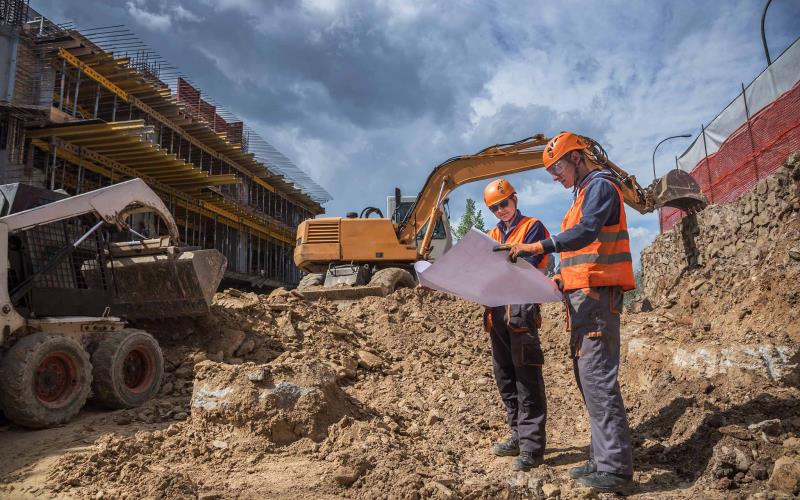
Geotechnical engineering is a foundational aspect of any construction or infrastructure project. It focuses on the behavior of earth materials—soil, rock, groundwater, and their interactions with built structures. Before construction begins, geotechnical engineers conduct critical investigations and provide solutions that influence everything from foundation design to slope stability. If you’re preparing to visit a site, understanding the importance of geotechnical engineering solutions, visit sit is essential to ensuring a safe, cost-effective, and sustainable project.
In this article, we’ll explore what geotechnical engineering solutions entail, why they’re vital before site visits, and how they support successful project outcomes.
What Are Geotechnical Engineering Solutions?
Geotechnical engineering solutions involve the analysis, design, and implementation of strategies to manage and optimize ground conditions for construction or land development. These services are typically provided by licensed engineers and geoscientists who use a combination of field testing, lab analysis, and modeling to understand subsurface conditions.
Key geotechnical services include:
- Site Investigation and Soil Testing
Before any construction begins, engineers conduct a geotechnical site investigation. This may involve drilling boreholes, collecting soil samples, and performing in-situ tests like Standard Penetration Tests (SPT) or Cone Penetration Tests (CPT). The data helps determine the load-bearing capacity of the soil and its suitability for construction. - Foundation Design
Based on the results of the investigation, geotechnical engineers recommend appropriate foundation systems—shallow foundations (like spread footings) or deep foundations (like piles or drilled shafts). These decisions are vital for ensuring structural safety. - Slope Stability Analysis
For sites on or near hills, slopes, or embankments, slope stability is a major concern. Geotechnical experts analyze potential slip surfaces and design reinforcements such as retaining walls or soil nails to prevent landslides. - Earth Retention Systems
Retaining walls, soldier pile walls, and other support systems are designed to manage soil pressures and maintain stability during excavation or permanent structures. - Ground Improvement Techniques
In cases where native soils are weak or compressible, engineers recommend ground improvement solutions like soil compaction, grouting, stone columns, or geotextile reinforcements to enhance bearing capacity and reduce settlement. - Seismic Site Classification
In seismically active regions, geotechnical investigations assess soil response to earthquakes. Engineers classify the site according to local seismic codes and design structures accordingly. - Pavement and Subgrade Design
For roadways, runways, and parking lots, engineers analyze the subgrade to ensure long-term durability and performance. This includes compaction standards, drainage solutions, and material specifications.
Why Geotechnical Engineering Solutions Matter Before You Visit the Site
Whether you are a developer, contractor, engineer, or project manager, visiting a potential site without understanding its geotechnical conditions can lead to costly mistakes. Here’s why geotechnical solutions should be reviewed before stepping onto the site:
1. Risk Mitigation
Unforeseen ground conditions are a leading cause of construction delays and cost overruns. Having geotechnical data in hand before visiting a site helps identify potential red flags like soft soils, high groundwater, or unstable slopes.
2. Informed Decision-Making
If you’re evaluating multiple properties, geotechnical reports provide crucial data that can influence your site selection. For example, one plot may require deep piling while another supports shallow foundations—this could significantly impact your budget.
3. Safety Considerations
If the site has poor access, unstable terrain, or high groundwater levels, these risks can be identified early through geotechnical analysis, ensuring your site visit is conducted safely.
4. Design Efficiency
Preliminary engineering solutions help architects and civil engineers design structures that work with the natural conditions rather than against them. This avoids costly redesigns later.
5. Regulatory Compliance
Most municipalities and environmental authorities require geotechnical studies for construction permits. Reviewing the reports before your site visit ensures you’re aligning with local regulations and planning appropriately.
What to Look for During a Site Visit (with Geotechnical Data in Hand)
Once the geotechnical engineering study has been completed, you can approach the site visit with more clarity and purpose. Here’s what to focus on during your visit:
- Surface Conditions: Compare visible site features with subsurface data—are there signs of erosion, standing water, or unstable slopes?
- Access for Equipment: Use the soil data to evaluate whether the site can accommodate heavy machinery or if stabilization is required.
- Drainage: Look at the flow of surface water. The geotechnical report may recommend drainage systems to prevent saturation of foundations.
- Construction Feasibility: Based on the report, evaluate if construction will require specialized techniques such as shoring, underpinning, or deep foundations.
- Environmental Impact: If contamination, wetlands, or sensitive areas are present, they should be noted both in the report and during the site walk.
Choosing the Right Geotechnical Engineering Partner
When seeking geotechnical engineering solutions, it’s crucial to work with experienced professionals. Here’s what to look for:
- Licensed and Certified Engineers
- Comprehensive Site Investigation Capabilities
- Strong Track Record in Your Project Type (commercial, residential, infrastructure)
- Use of Advanced Modeling and Analysis Tools
- Ability to Communicate Complex Data Clearly
A good geotechnical engineer not only provides you with raw data but interprets it, offers practical recommendations, and collaborates with your design and construction team throughout the project lifecycle.
Conclusion
Geotechnical engineering solutions are not optional—they are foundational to any successful construction project. Whether you’re building a home, a skyscraper, a highway, or a warehouse, understanding the soil beneath your feet is critical. Before you visit the site, be sure you have a geotechnical report in hand. It could be the difference between a smooth project and one riddled with delays, budget blowouts, and safety risks.
